Source Automatic UV Carton Slotter for Food, Medical, and Chemical
Compare 30 listings for the Automatic UV Carton Slotter designed for food, medical, and chemical packaging. Buyers can evaluate speeds up to 200 pieces per minute, electric driven types, and CE certified models from China-based manufacturers.
Key considerations
Products List


Automatic Cardboard Box Flexo Machine Carton Printing Slotting Machine
$10000.00 - $50000.00
MOQ: 1 Pieces


Cardboard Automatic Slotting Machine Slotter Rotary Die Cutter Printer Slotter
$10000.00 - $50000.00
MOQ: 1 Pieces


High Speed Automatic Cardboard Rotary Slotting Machine for Carton Box
$28000.00 - $32000.00
MOQ: 1 set


Full Automatic High Speed Carton Printing Box Rotary Slotting Machine
$28000.00 - $32000.00
MOQ: 1 set

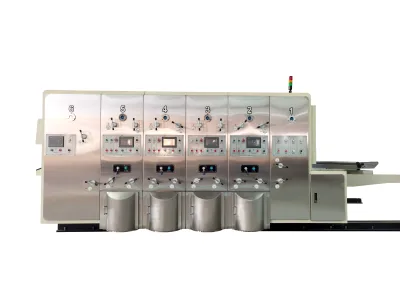


Printing Slotting Machine Automatarton Box Cardboard Paper Box Machine Carton Box Gluer
$3000.00 - $20000.00
MOQ: 1 Pieces


Comprehensive Sourcing Guide
Strategic Sourcing Guide for Automatic UV Carton Slotter Procurement
Understanding the Core Technology and Operational Scope
The procurement of an Automatic UV Carton Slotter requires a precise understanding of the machinery's role within the packaging value chain. These units are specialized industrial assets designed to automate the transformation of flat cardboard into finished cartons through slotting, die-cutting, and printing processes. In the context of modern manufacturing, the "automatic" designation implies a high degree of integration where feeding, processing, and output occur with minimal manual intervention. The observed market data indicates that these machines often operate at speeds ranging from 80 to 200 pieces per minute, depending on the specific configuration and model. This variance in throughput is a critical factor for buyers assessing production capacity against demand forecasts.
The technology typically integrates electric drive systems, ensuring consistent power delivery and control over the mechanical operations. The driving force behind these machines is electric, which allows for precise synchronization of the slotting and printing heads. Buyers must recognize that the "UV" aspect often refers to the curing mechanism for inks applied during the printing phase, which is essential for high-quality graphics on corrugated materials. The machinery is categorized under carton packaging machinery, specifically serving as a bridge between raw material input and finished product output. The ability to handle various cardboard thicknesses, observed in the range of 1.2mm to 10mm, highlights the versatility required for diverse packaging needs.
Technical Specifications and Performance Parameters
When evaluating technical specifications, buyers must scrutinize the feeding dimensions and the maximum processing area. The machinery is designed to accommodate a wide range of input sizes, with observed minimum feeding dimensions starting as low as 430mm by 170mm and extending up to maximum sizes of 2800mm by 1600mm. This range dictates the types of cartons that can be produced, from small retail boxes to large industrial shipping containers. The height of the box produced is another critical specification, with observed minimum heights around 70mm, ensuring the machine can handle shallow packaging requirements.
The working speed is a primary performance metric, with data suggesting operational ranges between 120 and 200 pieces per minute for certain models, while others may operate at 80 to 150 pieces per minute. These figures are not universal but represent the capabilities of different configurations within the product line. The printing capabilities are equally significant, with some units supporting single-faced printing and utilizing ceramic anilox rollers for ink transfer. The printing plate thickness is observed at 7.2mm, a standard dimension that ensures durability and precision during the printing process. The maximum die-cutting area is a vital constraint, with observed dimensions reaching up to 2700mm by 1480mm, defining the physical limits of the carton design.
Furthermore, the electrical requirements must be verified against the buyer's facility infrastructure. The voltage specifications observed include 380V and 440V, with options for custom requests, indicating that these machines are not plug-and-play for all locations. The frequency is typically 50Hz or 60Hz, aligning with global power standards. The electric parts utilized within the machine are noted to be from well-known brands, a detail that suggests a focus on reliability and longevity, though specific brand names should not be assumed without direct verification. The wall thickness of the machine structure is observed at 50mm, contributing to the overall rigidity and stability required for high-speed operations.
Compliance, Certification, and Regulatory Standards
Navigating the compliance landscape is essential for international procurement. The machinery is frequently associated with CE and ISO certifications, which are critical for market access in Europe and many other regions. The CE marking indicates conformity with health, safety, and environmental protection standards for products sold within the European Economic Area. The ISO certification, often referenced alongside CE, suggests adherence to international quality management standards. However, buyers must verify that the specific unit they are purchasing holds these certifications, as the presence of a certification label on a product page does not guarantee that every individual unit or configuration is compliant.
The standards governing the machine's operation are also a point of verification. While some data points reference specific numerical standards like "2.5" or "1800mm x 600mm," these often relate to specific model configurations or paper size dependencies rather than universal regulatory standards. Buyers should treat these as model-specific parameters rather than general compliance benchmarks. The origin of the machinery is predominantly China, with specific manufacturing hubs noted in Dongguang, Cangzhou, and Hebei. This geographical context is important for understanding the supply chain dynamics and potential logistical challenges.
Additionally, the standard for the machine's output is often dependent on the paper size, meaning that the compliance and performance of the slotter can vary based on the raw materials used. Buyers must ensure that the machine's design aligns with the specific regulatory requirements of their target market, particularly regarding safety interlocks, electrical safety, and emission standards. The "Driven Type: Electric" specification confirms the power source, but the specific electrical standards (such as IEC or NEC) must be confirmed with the supplier to ensure compatibility with local grid infrastructure.
Cost Drivers and Pricing Structures
The pricing of Automatic UV Carton Slotter machines is influenced by a complex array of factors, including speed, automation level, and customization options. The observed price range in the market spans from 2,000 to 150,000 USD, a vast disparity that reflects the difference between basic models and high-end, fully automated systems. This range suggests that buyers should not expect a single price point but rather a tiered structure based on the specific features required. The minimum order quantity (MOQ) for these machines is typically 1 unit, indicating that they are often sold as individual capital assets rather than bulk commodities.
Several cost drivers contribute to the final price. The inclusion of customization options, which are widely available, can significantly increase the cost. Customization may involve modifying the feeding size, adjusting the speed, or integrating specific printing configurations. The type of packing, whether wooden cases or plastic film, also affects the logistics cost and, by extension, the overall price. The complexity of the machine, such as the inclusion of rotary letterpress embossing structures or ceramic anilox rollers, adds to the manufacturing cost.
Buyers must also consider the long-term cost implications, including maintenance and spare parts. The availability of engineers for overseas service is a critical factor that can reduce downtime costs. While the initial purchase price is a primary concern, the total cost of ownership (TCO) should be the deciding factor. The capacity of the manufacturer, observed at 10 sets per month, suggests that these machines are not mass-produced in the same volume as consumer electronics, which can impact lead times and pricing stability.
Typical Applications and Industry Versatility
The versatility of Automatic UV Carton Slotter machines makes them suitable for a broad spectrum of industries. The observed applications include food, medical, dining, gifts and arts, apparel, chemical, toy, alcohol, textile, machinery and hardware, and commodity sectors. This wide range of applications underscores the machine's ability to handle diverse packaging requirements, from sterile medical packaging to colorful gift boxes. The ability to print up to 5 colors with optional configurations allows for high-quality branding and product identification, which is crucial in competitive markets.
In the food and beverage industry, the machine's capability to handle specific cardboard thicknesses and sizes ensures that packaging meets hygiene and structural standards. For the medical sector, the precision of the slotting and die-cutting processes is vital for creating secure and sterile packaging solutions. The toy and gift industries benefit from the machine's ability to produce intricate designs and custom shapes, enhancing the visual appeal of the final product. The chemical and hardware sectors require robust packaging that can withstand rough handling, which the machine's ability to process thick cardboard (up to 10mm) supports.
The machine's application in the textile and apparel sectors is also significant, as these industries often require custom-sized packaging for various garment types. The ability to adjust the feeding size and speed allows for flexible production runs, catering to both high-volume and low-volume orders. The "Carton Printer" and "Carton Die Cutting Slotting Machine" designations highlight the dual functionality of these units, enabling them to perform multiple operations in a single pass, thereby increasing efficiency and reducing production time.
Supplier Evaluation and Quality Assurance
Evaluating suppliers for Automatic UV Carton Slotter machines requires a rigorous approach to quality assurance and service capability. The availability of after-sales service, specifically engineers available to service machinery overseas, is a key indicator of a supplier's commitment to long-term support. Buyers should verify the scope of this service, including response times, travel costs, and the availability of spare parts. The origin of the machine, typically from China, necessitates a thorough vetting of the supplier's reputation and track record in international markets.
Quality control should be a central part of the evaluation process. Buyers must request detailed specifications and test results for the specific model they are considering. The observation of "Electric Parts: Well-Known Brand" suggests that high-quality components are used, but this should be confirmed with the supplier to ensure that the specific components meet the buyer's standards. The production capacity of 10 sets per month indicates a specialized manufacturing environment, which can offer higher quality control than mass-production facilities but may also result in longer lead times.
Buyers should also assess the supplier's ability to provide customization. The availability of customization options is a significant advantage, but it requires clear communication and detailed specifications to ensure the final product meets expectations. The supplier's ability to adapt the machine to specific paper sizes and thicknesses is crucial for maximizing the machine's utility. Additionally, the supplier's certification status, including CE and ISO, should be verified through official documentation rather than relying solely on product page claims.
Long-Term Procurement and Operational Considerations
Long-term procurement considerations for Automatic UV Carton Slotter machines extend beyond the initial purchase. The lead time, which is not explicitly stated but implied by the production capacity of 10 sets per month, can impact project timelines. Buyers should plan for potential delays and ensure that their production schedules accommodate the delivery and installation of the machine. The maintenance requirements, including the need for specialized engineers and spare parts, should be factored into the operational budget.
The flexibility of the machine is another long-term consideration. As market demands change, the ability to adjust the machine's settings for different box sizes and thicknesses will be essential. The observed feeding size ranges and speed capabilities suggest that these machines are designed to adapt to evolving production needs. However, buyers should verify the limits of these adjustments to ensure the machine remains viable for future projects.
Finally, the environmental impact of the machine's operation should be considered. The electric drive system and the use of UV curing technologies can contribute to energy efficiency and reduced waste. Buyers should inquire about the energy consumption of the machine and the sustainability of the materials used in its construction. By addressing these long-term factors, buyers can ensure that their investment in an Automatic UV Carton Slotter machine delivers value over its entire lifecycle.
FAQs
What customization options are available for Automatic UV Carton Slotter machines?
Customization is available for these machines to meet specific production needs. Buyers can request adjustments to feeding sizes, speeds, and voltage configurations like 380V or 440V to fit their facility infrastructure.
Which certifications do Automatic UV Carton Slotter manufacturers typically hold?
Most units hold CE and ISO certifications for international market access. These marks indicate conformity with safety and quality standards, though buyers should verify specific compliance for each model configuration.
How fast can an Automatic UV Carton Slotter operate during production?
Operating speeds typically range from 80 to 200 pieces per minute depending on the model. Specific configurations may achieve speeds between 90 and 120 pieces per minute or up to 160 pieces per minute.
What is the maximum cardboard thickness these machines can process?
The machines can handle cardboard thicknesses ranging from 1.2mm to 10mm. This versatility allows for the production of various packaging types from thin retail boxes to robust industrial shipping containers.
Can buyers access overseas engineering support for these machines?
Yes, engineers are available to service machinery overseas for many suppliers. This after-sales service helps minimize downtime and ensures long-term operational reliability for international buyers.
What is the minimum order quantity for purchasing an Automatic UV Carton Slotter?
The minimum order quantity is typically one unit for these industrial assets. Buyers can purchase individual machines without needing to meet bulk commodity thresholds common in other sectors.